


Energy
Energy is one of the most important areas, determining both daily life and greenhouse gas emissions – from energy production to its consumption.
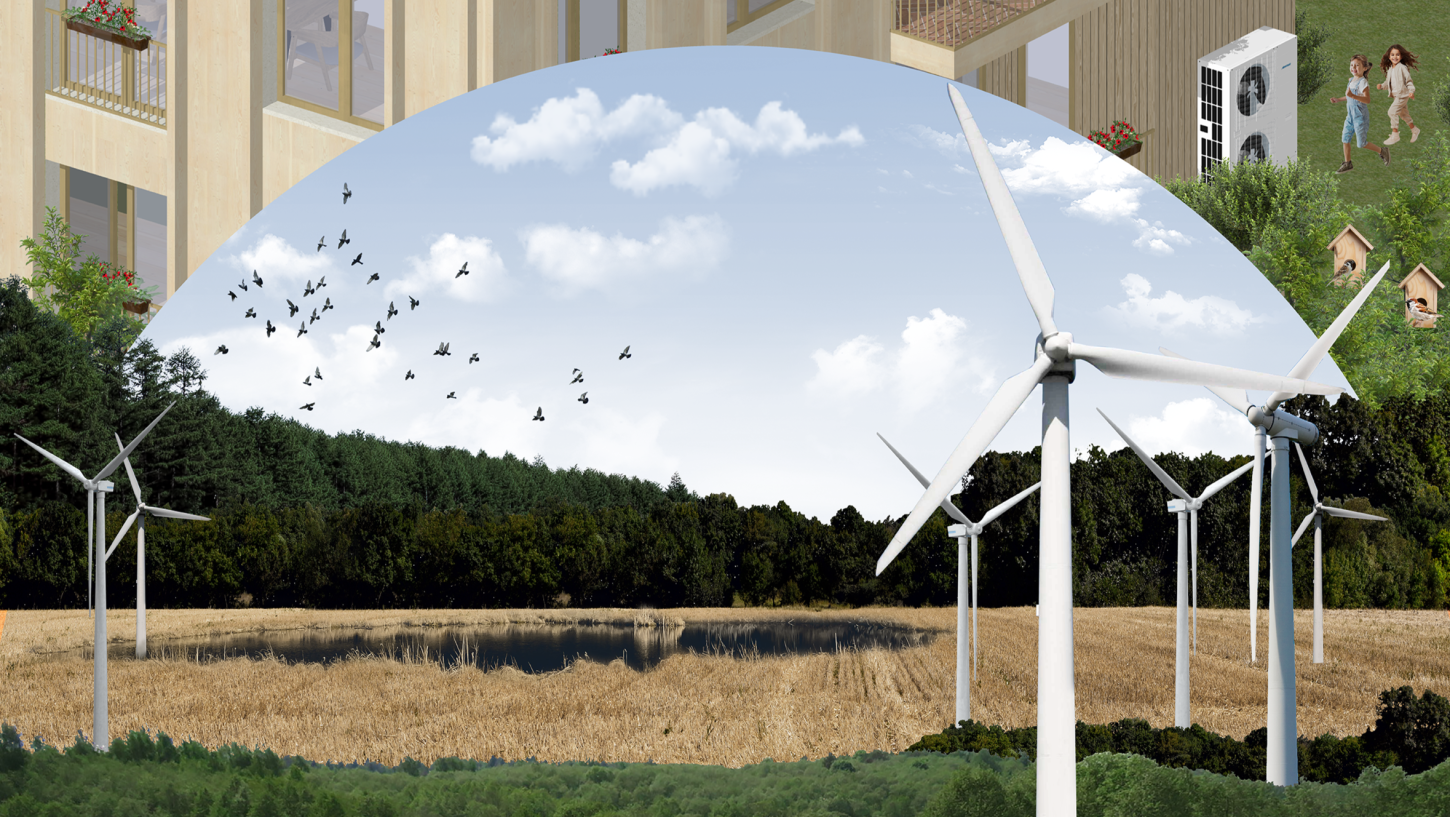
Energy encompasses all processes related to energy resources, production, transmission, and consumption. The greatest impact on climate and the environment occurs when energy is produced and consumed using fossil fuels – this is one of the main causes of climate change. Therefore, increasing attention is being paid to green energy – energy solutions that reduce greenhouse gas emissions and negative environmental impact. Green energy is important not only for climate change mitigation but also for energy security, long-term sustainability, and strengthening the local economy. Unlike fossil fuels, renewable energy sources are local, renewable, and less dependent on geopolitical risks.
Main directions of green energy:
- use of renewable energy sources – solar, wind, hydro, geothermal energy, biofuels, green hydrogen;
- increasing energy efficiency – building renovation, more efficient energy consumption, modern heating solutions;
- implementation of energy technologies – energy storage systems, heat pumps, and other solutions that allow for more flexible energy use.
Residents, communities, and businesses play an important role in the energy transformation. They contribute by choosing green energy, installing solar power plants, renovating buildings, modernizing heating points, or establishing renewable energy communities.
The development of renewable energy is one of the main priorities of Lithuania’s energy policy – the aim is that by 2030, electricity consumed in Lithuania will be generated from renewable sources, with the majority produced domestically.
Useful links
Situation in Tauragė
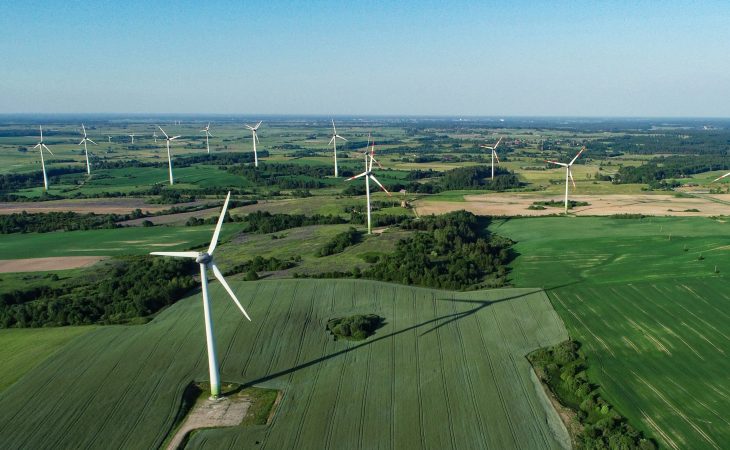
The energy sector is one of the most significant sources of greenhouse gas (GHG) emissions in Tauragė district. The largest share of these emissions originates from buildings – almost 68% of all energy sector emissions, with residential buildings accounting for the absolute majority. The remaining emissions are attributed to manufacturing and construction, as well as heat and electricity generation.
Individual 1–2 apartment residential houses dominate in Tauragė district – they constitute the majority of the residential building stock and are characterized by very different energy efficiency levels. Some of them are heated by old, inefficient, or polluting heat sources, which is why the individual housing sector remains one of the biggest challenges for climate neutrality.
According to the types of fuel used, fossil fuels still dominate the energy sector, accounting for almost 90% of the sector’s GHG emissions. Peat, coal, and natural gas have the greatest impact. This indicates a clear need to rapidly reduce the use of fossil fuels, increase energy efficiency, and expand clean energy solutions.
At the same time, Tauragė already stands out today with targeted solutions in the energy sector. Almost all heat for centralized heating is generated from biomass, wind and solar energy are actively developed in the city and district, and energy efficiency solutions are being implemented in public infrastructure. The municipality also invests in educating residents and youth, aiming to promote energy saving, more efficient heating solutions, and the use of renewable energy sources.
The directions and changes in the energy sector in Tauragė are planned based on the Action Plan for the Development of Renewable Energy Use until 2030 and the Climate Neutrality Strategy, which outline actions to reduce emissions, increase energy efficiency, and transition to clean energy.
Relevant documents:
Tauragė District Municipality Action Plan for the Development of Renewable Energy Use until 2030.
Anticipated changes in Tauragė
Reduction of fossil fuel use
– by 2030, the use of coal, peat, and other fossil fuels in heat generation will be significantly reduced, especially in households and industry, transitioning to cleaner solutions.
Decarbonization of heat production
Development of renewable energy and energy storage
Increasing energy efficiency in buildings
Strengthening resident information and consultation
Result:
Projects
STEAM Center
In 2021, the STEAM Center was opened in Tauragė—a space for research, discovery, and innovation for students, featuring Lithuania’s only green and renewable energy laboratory. More information can be found here.
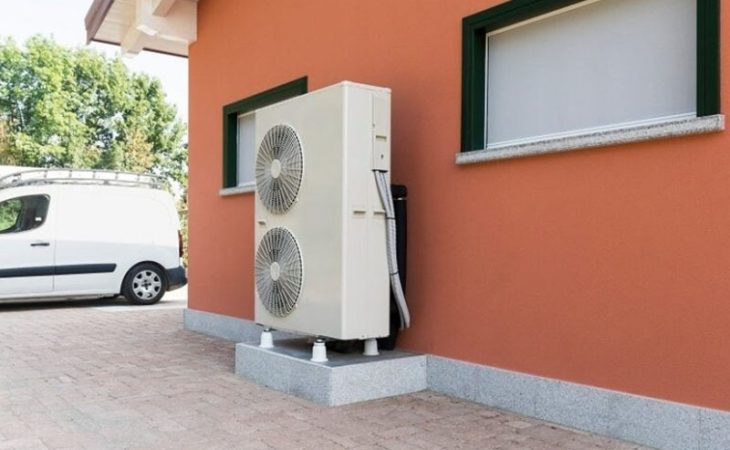
Modernization of Heating Systems
In Tauragė District Municipality institutions, old heating boilers are being replaced with modern and ecological heat pump systems. Currently, heat pumps have been installed in 10 institutions.
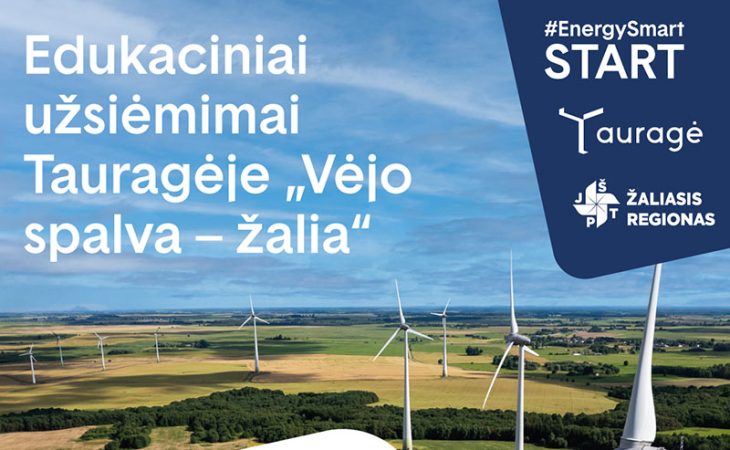
Education on Wind Energy
In 2023, aiming to educate the public and engage local communities in educational activities, the #EnergySmartSTART program, in collaboration with Public Institution “Žaliasis regionas” and Tauragė District Municipality Administration, presents the first wind energy education program in Lithuania – “The Color of Wind is Green.” Free educational sessions are held at Lauksargiai Community House and near the wind farm managed by “Ignitis renewables,” led by members of Tauragė district communities trained by employees of “Ignitis Group” companies. More information can be found here.
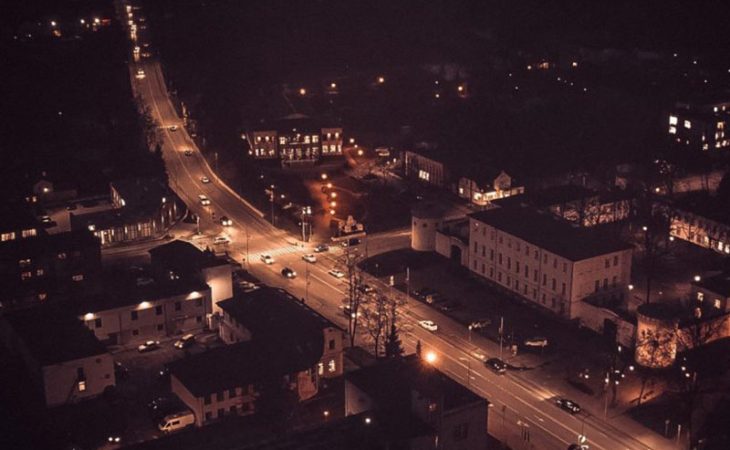
LED City Lighting
2019 by applying the ESCO model, all 3,500 street lights in Tauragė city were replaced with smart LED lights, thus saving approximately 50% of electricity and costs.
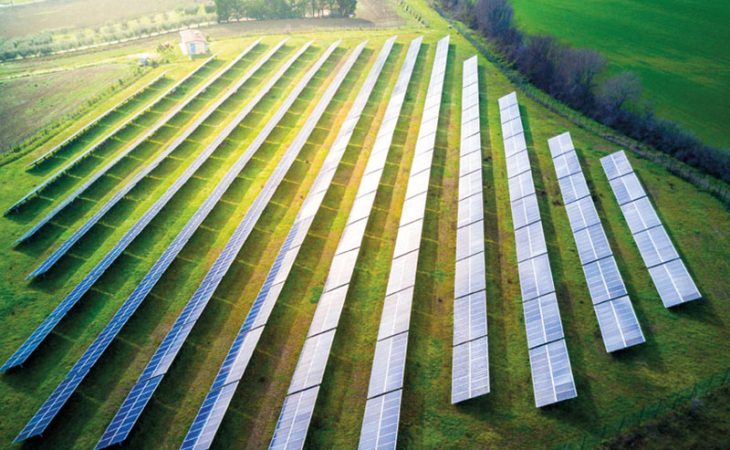
Remote Solar Power Plant
2022 a contract has been signed for the construction of a 1,075.1 kW remote solar power plant in Tauragė district, Plikiškės village. The generated electricity will be used to illuminate the streets of Tauragė city and municipalities and to meet other needs.
Energy Advice Resource Center
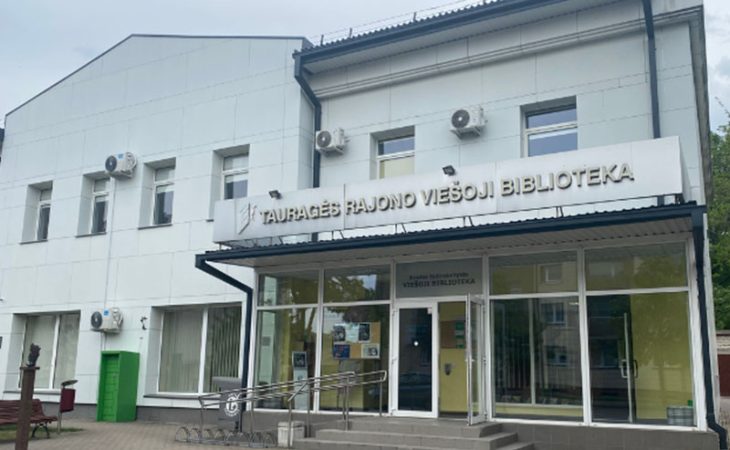
In 2023, Tauragė District Municipality, in cooperation with the Consumers’ Alliance, established the Energy Advice Resource Center. Its goal is to provide energy and ecological education to the residents of Tauragė Municipality, aiming to help residents transition to more energy-efficient measures and habits. The Tauragė Energy Advice Resource Center is located on the premises of the Birutė Baltrušaitytė Public Library of Tauragė District Municipality. Residents who register in advance will be consulted by experts from “Tauragės šilumos tinklai” and the municipality. Additionally, residents will be able to consult the Consumers’ Alliance telephone helpline on energy saving issues on weekdays.
Solar Photovoltaic Power Plants
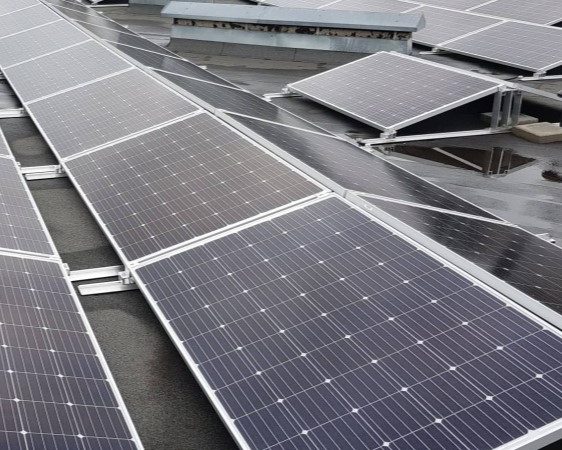
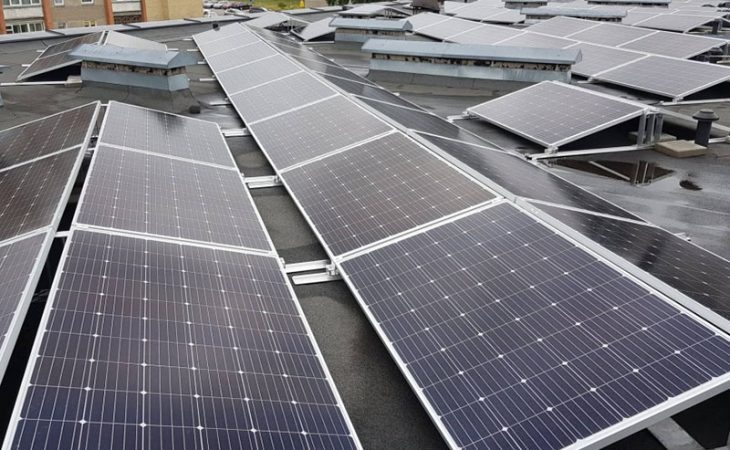
Solar photovoltaic power plants are being installed in Tauragė District Municipality institutions, covering 40-80% of the buildings’ electricity demand. Currently, 25 public institutions have installed solar photovoltaic power plants.
Energy Efficiency Education Program
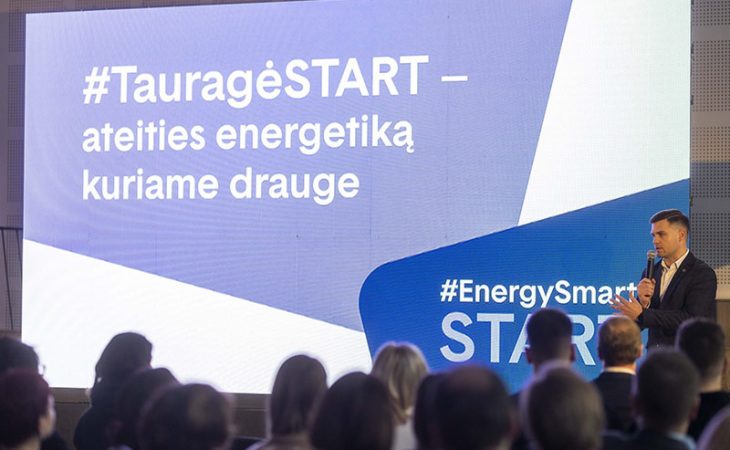
In 2022, in cooperation with “Ignitis Group”, the first energy efficiency education program in Lithuania, #EnergySmartSTART, was launched in Tauragė, designed for students in grades 7-11. The new education program aimed to provide students with more knowledge about energy and its production, global issues, and the impact of individual actions on nature, thus fostering a more conscious and responsible younger generation. More information can be found here.

Mission for a Climate-Neutral Municipality by 2030
In 2022, Tauragė District Municipality was included in the list of 100 European cities that, under the EU mission “100 Climate-Neutral and Smart Cities,” will aim to implement an experimental innovation program and become climate-neutral settlements by 2030. Learn more – Cities Mission.
Statistics
What can
I do?




Contact
us


