


Waste and Circular Economy
Waste and the circular economy are a crucial part of green city development, determining how resources are used and encompassing the entire life cycle of resources and goods – from consumption to reuse and recycling.
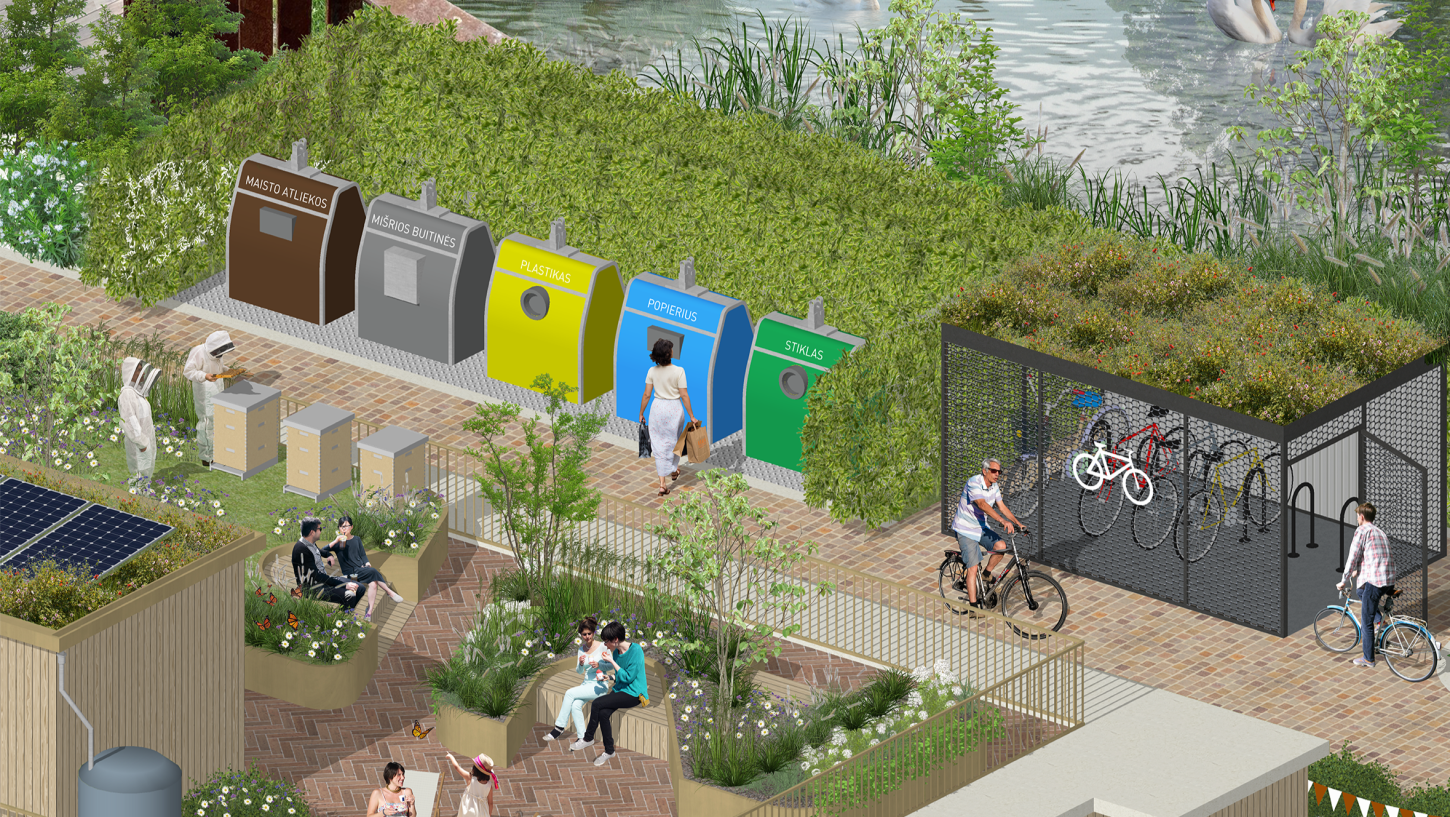
Waste quantities are constantly growing – according to 2022 data, one Lithuanian resident generates an average of about 483 kg of waste per year, and this number continues to increase. Consequently, waste management becomes not only an environmental issue but also a matter of resource utilization and economic sustainability.
The circular economy aims to replace the traditional ‘make-use-dispose’ model, ensuring that resources are used for as long as possible and waste returns to circulation as secondary raw materials, thereby reducing the demand for raw materials and negative environmental impact.
This approach is based on the waste hierarchy, which sets waste management priorities: first, to reduce waste generation; then, to promote reuse; followed by recycling, where waste is converted into secondary raw materials. Only if these solutions are not feasible is energy recovery applied, with landfilling considered the last and least preferred option.
The transition to a circular economy is actively promoted by the European Union – it is stipulated that by 2030, at least 65% of municipal waste and 75% of packaging waste should be recycled, and no more than 10% of all waste should be landfilled. These targets shape a common direction for municipalities, businesses, and residents.
Key Questions
Why is it worth sorting waste?
Sorting is worthwhile because packaging waste placed in sorting containers is collected free of charge – its collection and management are financed by producer and importer organizations. The more waste is sorted, the less ends up in general mixed waste containers, for the collection and disposal of which we – the residents – pay.
Are sorted waste items really thrown into one vehicle?
How to sort waste properly?
Where can I leave items that are no longer needed but still usable?
Situation in Tauragė
The waste and wastewater sector accounts for 12.8% of all greenhouse gas (GHG) emissions in Tauragė District Municipality (2018), making it a significant area for achieving climate neutrality. The largest share of emissions in this sector was due to landfilling – 61.8%, wastewater treatment – 29.1%, and biological waste treatment – 9.1%. Waste incineration accounted for less than 1% of emissions, as only a small portion of sorted waste is sent for incineration, which is carried out in other municipalities.
These data indicate that the greatest potential for emission reduction in the waste sector is associated with reducing landfilling, improving waste sorting, including the separation of biodegradable waste, and enhancing wastewater treatment solutions. Currently, the municipality’s waste management infrastructure lacks biological treatment facilities, which contributes to a greater impact of biodegradable waste on GHG emissions. Decisions regarding the development of biological treatment infrastructure are being considered and analyzed.
The development of the waste management system in Tauragė district is carried out in accordance with the principles of the waste hierarchy, prioritizing waste prevention, reuse, and recycling, with landfilling remaining as a last resort. These directions are consistently integrated into the municipality’s planning decisions and the development of the waste management system.
Relevant Documents
Anticipated changes in Tauragė
Development and Quality Improvement of the Waste Sorting System
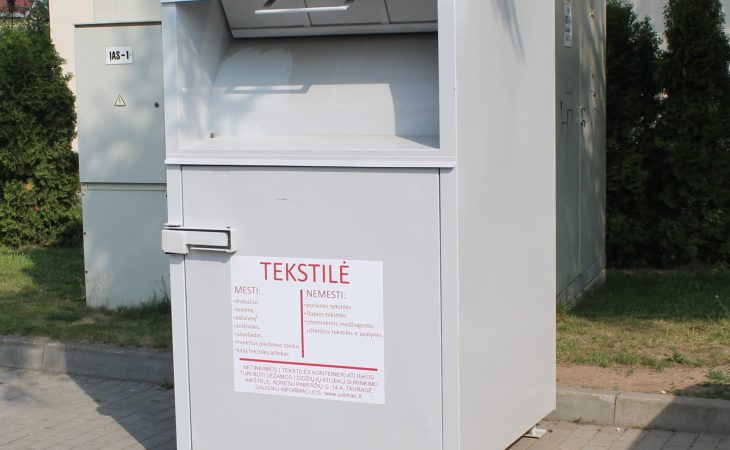
– The network for separate collection of secondary raw materials and textile waste will be expanded in public places and residential areas, increasing container accessibility, and strengthening control over the composition of municipal waste. The infrastructure of large waste collection sites will also be developed, and sorting lines modernized to increase the flow of recyclable waste.
Strengthening Reuse and Circular Solutions
Development of Biodegradable and Green Waste Management
Reducing the Impact of Waste Disposal and Utilizing Energy
Optimizing Waste Collection and Logistics
Modernization of Wastewater Treatment Infrastructure
Public Information, Prevention, and Behavioral Changes
Result:
Projects
Circular Economy Educational Space “Padėk”
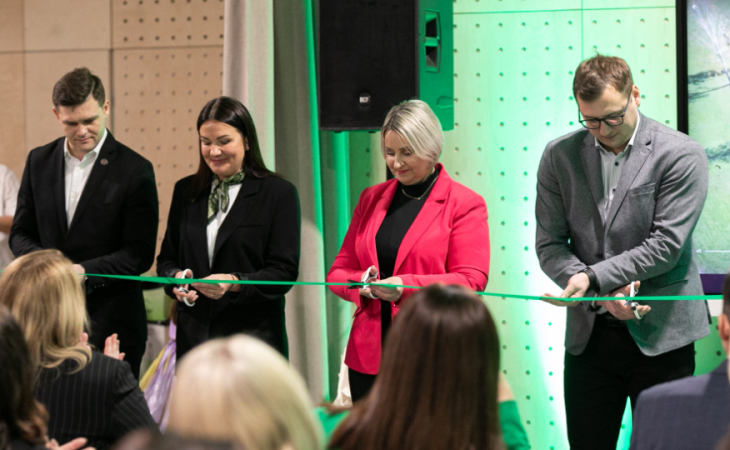
The educational space “Padėk” has been opened at the Tauragė non-hazardous waste landfill, designed to help the public better understand waste management, sorting, and the principles of sustainable living. The educational space “Padėk” is open to everyone – students, businesses, communities, and organizations. More information and details on how to register for educational sessions can be found here.

Mission for a Climate-Neutral Municipality by 2030
In 2022, Tauragė District Municipality was included in the list of 100 European cities that, under the EU mission “100 Climate-Neutral and Smart Cities,” will aim to implement an experimental innovation program and become climate-neutral settlements by 2030. Learn more – Cities Mission.
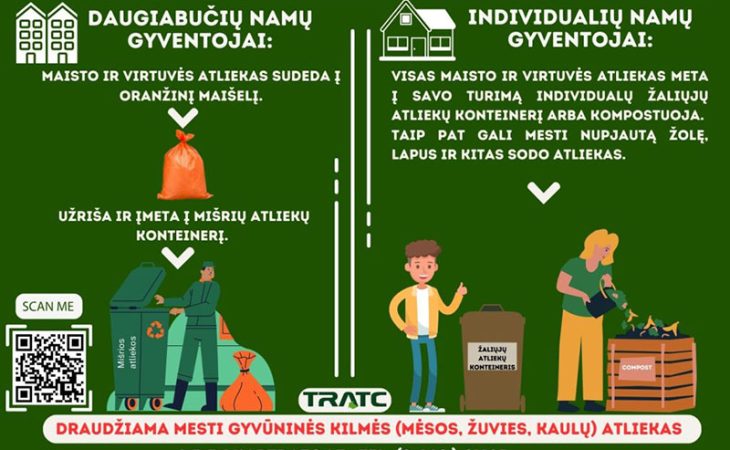
Separate collection of plant-based food and kitchen waste
Starting in 2024, separate collection of plant-based food and kitchen waste will be introduced. The aim is to separate food waste from the mixed municipal waste stream and produce compost from it. More information can be found by clicking the link. Instructions on how to sort waste correctly can be found here.
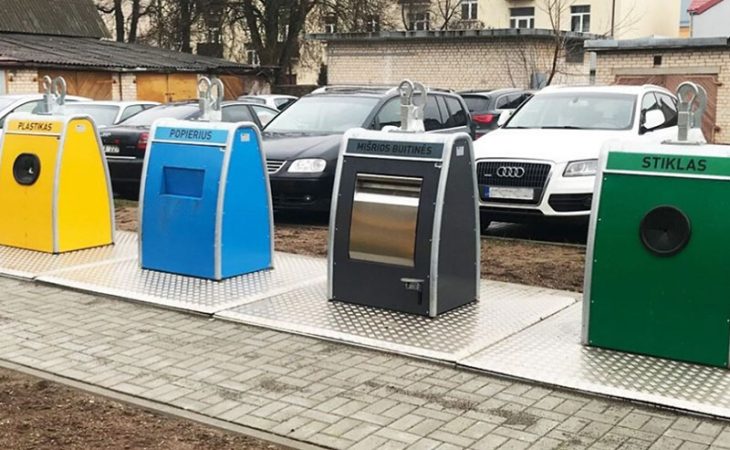
Atliekų tvarkymo infrastruktūros plėtra
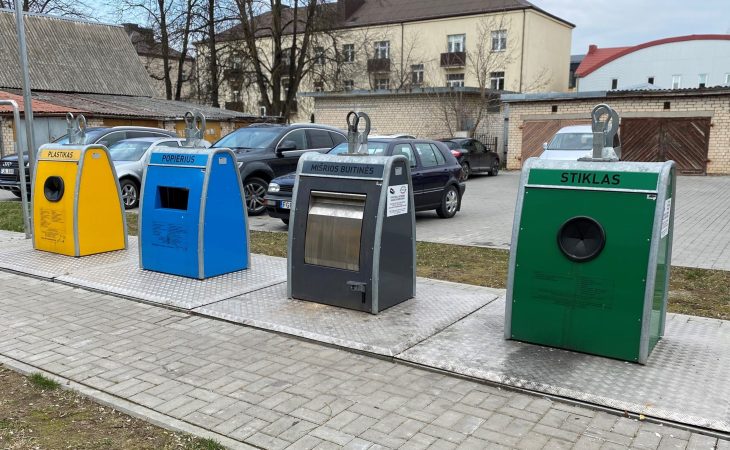
Since 2016, the project “Development of Tauragė Region Municipal Waste Management Infrastructure” has been implemented, aiming to expand the infrastructure for sorted waste collection and preparation for reuse in the region. 34 underground and 52 above-ground container sites have been installed, 48 textile containers have been placed, 1 bulky waste collection site is in operation (which includes a “Padėk” sharing station for reusable items), a green waste composting site is in operation, and a food/kitchen waste processing building is nearing completion.
Statistics
What can
I do?


Contact
us


