


Climate Change
Climate change is a long-term shift in the climate system that already poses one of the greatest challenges to people, the environment, and the economy.
What causes climate change?
Climate change is caused by increasing amounts of greenhouse gases (hereinafter – GHGs) in the atmosphere – carbon dioxide (CO2), methane (CH4), nitrous oxide (N2O), hydrofluorocarbons (HFCs), perfluorocarbons (PFCs), sulfur hexafluoride (SF6), and nitrogen trifluoride (NF3). GHGs accumulated in the atmosphere allow solar radiation to pass through but trap heat, creating an effect similar to how a greenhouse works.
The increase of GHGs in the atmosphere is driven by human activities such as burning fossil fuels for energy and transport, waste disposal, industrial processes, and land use – deforestation, wetland drainage, and agricultural practices.
Why is climate change dangerous?
Climate change is dangerous due to its wide-ranging consequences. It leads to changing climate conditions, more frequent and intense extreme weather events – severe storms, floods, droughts, and heat waves. These changes negatively affect human health, agriculture, water resources, and biodiversity. Furthermore, rising sea levels increase the risk of flooding and land loss, and in the longer term, the likelihood of climate migration.
How is climate change being addressed?
Climate change is a complex problem that requires unified efforts at all levels: political, business, and personal. The European Union is implementing the Green Deal, which aims to become a climate-neutral continent by 2050. Lithuania, as part of the European Union, is also committed to achieving climate neutrality. Contributing to these efforts, Tauragė also aims to become a climate-neutral municipality and is systematically implementing solutions to reduce emissions.
These goals are being achieved by investing in renewable energy, increasing energy efficiency, promoting cleaner transport solutions, efficient waste management and circular economy, and sustainable land use.
Adapting to climate change
Some changes related to climate change are already inevitable, so it is important not only to reduce greenhouse gas emissions but also to adapt to changing climate conditions. Adaptation helps reduce current and future losses and protect human health and lives.
This can include building flood barriers and embankments, adapting rainwater and wastewater systems, and tightening requirements for buildings in risk zones. In agriculture, new methods can be implemented, and plant and tree varieties resistant to drought or pests can be cultivated.
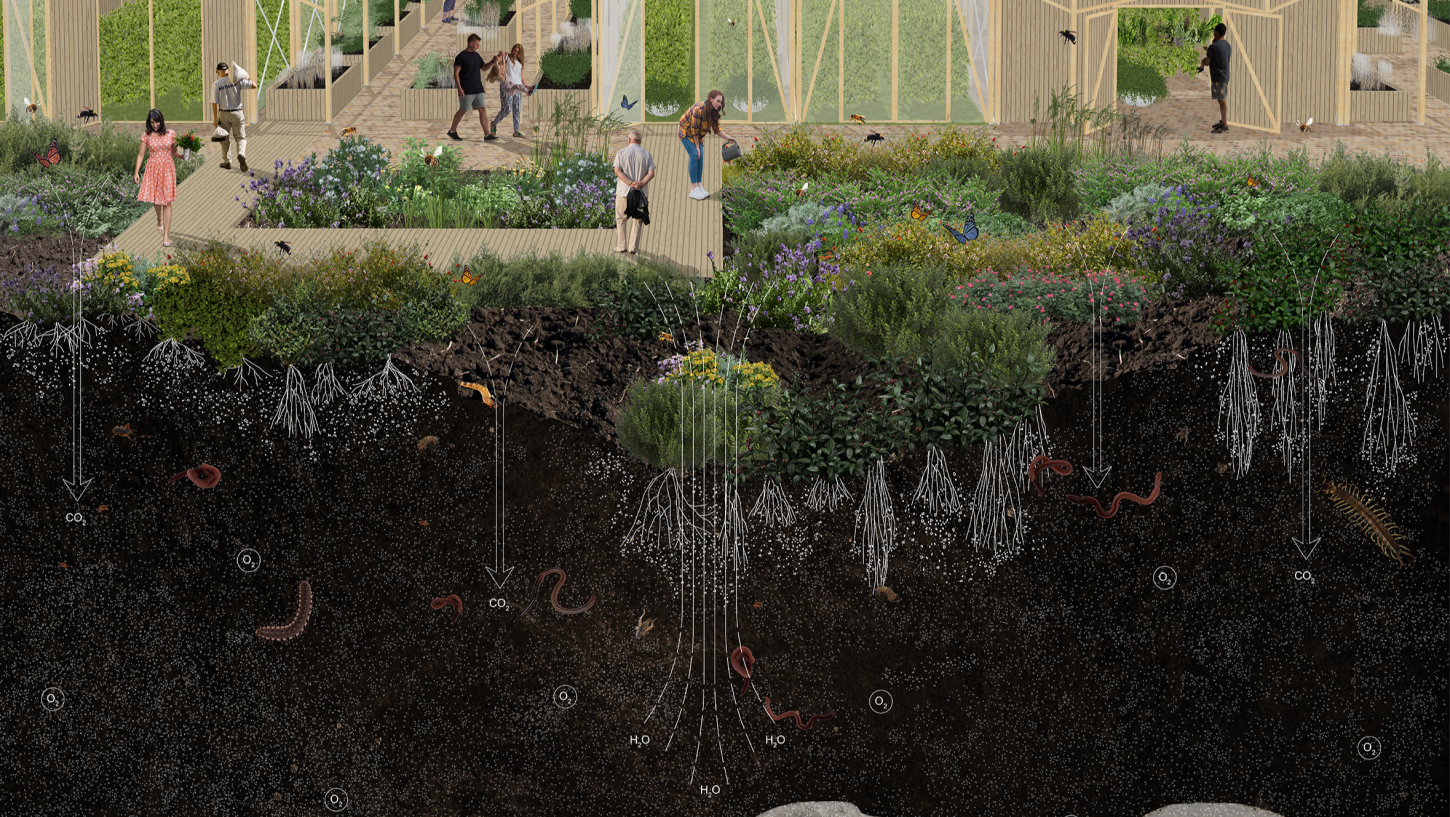
In cities, the expansion of green spaces plays an important role – planting trees, reducing impermeable surfaces, and installing water stations. Such solutions help reduce the impact of heat, manage rainfall, and improve quality of life.
Useful links
Situation in Tauragė
Tauragė is part of the European Union’s “100 Climate-Neutral and Smart Cities by 2030” mission, aiming to become a climate-neutral municipality.
Climate Change Mitigation in Tauragė
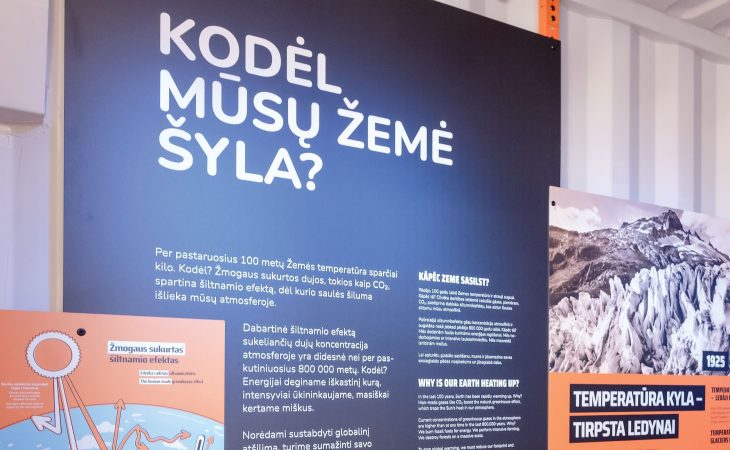
Tauragė is part of the European Union’s “100 Climate-Neutral and Smart Cities by 2030” mission (hereinafter – Cities Mission), which aims to become a climate-neutral municipality. This goal was set in the Tauragė District Municipality’s 2021–2030 Strategic Development Plan, which established the objective: “Objective 1.1. Ensure a clean environment and sustainable use of natural resources, aiming to use 100% clean energy and become a CO2-neutral municipality from 2025 onwards.”
Understanding the current situation is the first step towards achieving climate neutrality. Therefore, an inventory of GHG emissions for Tauragė District Municipality was conducted (the graph is presented in the “Statistics” section). The GHG inventory determined that in the baseline year – 2018 – the largest share of GHG emissions in Tauragė District Municipality came from the transport sector (63.1%), another 21.3% of emissions came from the energy sector, 12.8% from the waste sector, 2% from industrial processes and products, and 0.7% from the land use sector (when calculating the balance between GHG removals and emissions).
The next step was to create the Tauragė District Municipality’s climate neutrality strategy. In 2024, the first Tauragė District Municipality Climate Neutrality Strategy was prepared, which can be found here, and in 2025, the strategy was approved by European Commission experts, and Tauragė was awarded the Cities Mission label and full access to the benefits provided by the program. More information can be found in the section Cities Mission.

As changes occur in the municipality, it is particularly important to understand how residents perceive them. In 2023, a survey of Tauragė district residents was conducted to assess attitudes, behavior, and views on climate change and Tauragė’s green policy. The survey results showed that 75% of residents consider the Green Deal an important priority for Tauragė, and the same percentage of respondents noted that environmental friendliness is an important part of Tauragė residents’ identity. At the same time, 47.4% of respondents indicated that they felt insufficiently involved in the implementation of the Green Deal and climate neutrality goals. It is for this reason that the Tauragė District Climate Neutrality Strategy was developed using a co-creation principle – involving local residents, businesses, youth, seniors, and experts. During the strategy development, public events, expert meetings, workshops, and other activities were held, during which all interested parties could contribute to a common vision of how Tauragė can become climate-neutral.
Tauragė’s Adaptation to Climate Change
Since climate change is already happening and affecting our health, environment, and infrastructure, we must not only mitigate climate change but also adapt to it. In 2024, the first Tauragė District Adaptation to Climate Change Plan was approved. The plan can be found here.
Anticipated changes in Tauragė for climate change mitigation (emission reduction):
Energy production and consumption will become cleaner and more efficient
– the use of renewable energy sources will be expanded, energy-saving measures will be implemented, and dependence on fossil fuels will be reduced (more – Energy)
Transport will become less polluting, more convenient, and more diverse
Waste will be managed more efficiently
Land use and natural areas will contribute more to carbon sequestration
Municipal activity planning and management will become more focused on climate neutrality
Result:
Relevant Documents
The city will become more resilient to extreme weather
– preparedness for heatwaves, heavy rains, storms, and floods will be strengthened, and early warning, civil protection, and risk management measures will be implemented.
Public spaces will become cooler and more comfortable for residents
Urban infrastructure will be better adapted to the changing climate
Green and blue infrastructure will become an important part of urban planning
Residents will be better informed and prepared for climate risks
Health and civil protection systems will be better prepared for emergencies
Adaptation to climate change will become a continuous process of urban management
Result:

Climate Change Adaptation Mission
In 2023, Tauragė District Municipality joined the EU Climate Change Adaptation Mission, which aims to strengthen urban resilience to climate change impacts. The goal is to better understand climate change risks, adapt more effectively to the changing climate, and test and implement solutions needed to increase resilience. In 2024, the first Tauragė District Climate Change Adaptation Plan was developed.
Mission for a Climate-Neutral Municipality by 2030
In 2022, Tauragė District Municipality was included in the list of 100 European cities that, under the EU mission “100 Climate-Neutral and Smart Cities,” will aim to implement an experimental innovation program and become climate-neutral settlements by 2030. Learn more – Cities Mission.
“ClimateOS” Climate Action Planning Software
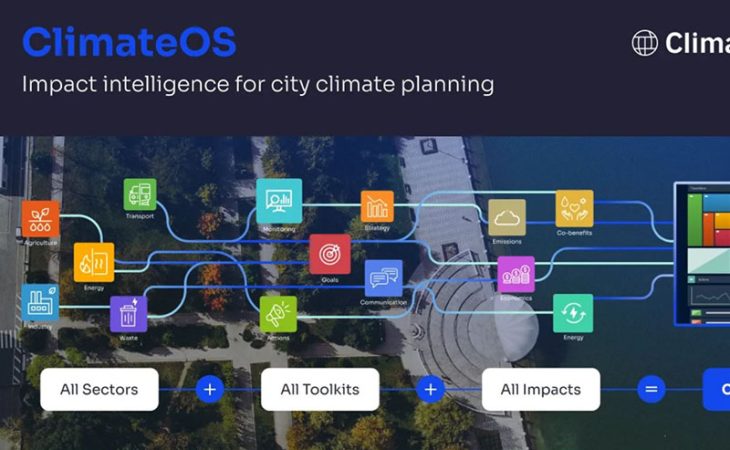
In 2023, after receiving funding through GovTech Lab Lithuania, Tauragė District Municipality was the first in Lithuania to acquire “ClimateOS” software for climate action planning. This software will help Tauragė plan actions to achieve climate neutrality, make data-driven decisions, and monitor progress in reducing greenhouse gas emissions.
As many as 74.9 percent of respondents fully agree or agree with the statement that the Green Deal is an important priority for Tauragė. 18.2 percent of participants in the study have no strong opinion on this statement, while 3.2 percent disagree with the statement and 3.7 percent strongly disagree.
What can I do?







Contact
us


